
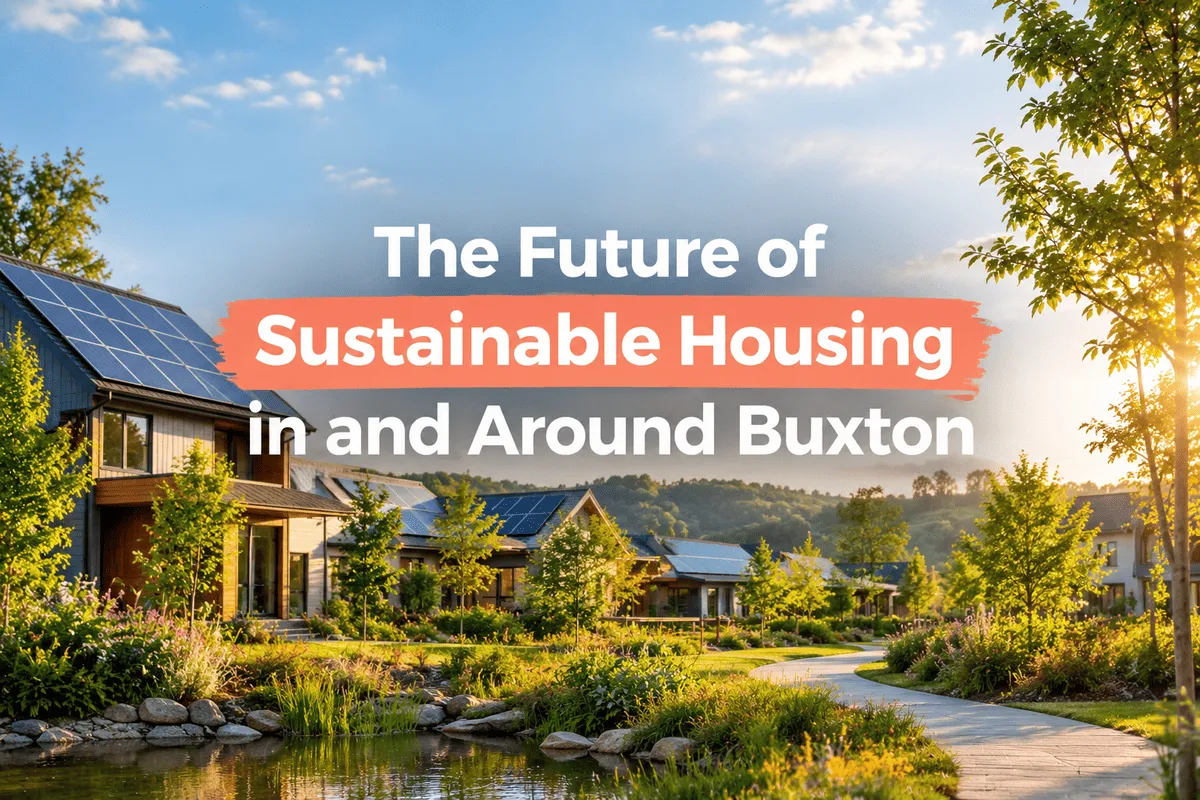
The Future of Sustainable Housing in and Around Buxton
Sustainable housing is becoming an important consideration for homeowners who want comfortable living spaces, efficient energy use, and manageable maintenance. In Buxton, Maine, these priorities are especially relevant because homes must handle cold winters, changing temperatures, and seasonal moisture.
The future of sustainable housing is not limited to building a completely new home. Improving insulation, choosing suitable heating systems, managing water, and using durable materials can also make existing properties more efficient. Buyers and homeowners in Buxton can consider these features when planning their next move or deciding which improvements to make.
Energy Efficiency Will Remain a Major Priority
Heating is a significant part of home energy use in Maine. Better insulation, air sealing, efficient windows, and properly maintained heating equipment can help reduce unnecessary energy loss.
Maine's Department of Energy Resources identifies weatherization and efficient heating as important ways to reduce energy use in buildings. Homeowners can explore suitable improvements based on the age, condition, and current energy performance of their properties.
For buyers searching in Buxton, it is useful to review insulation, attic ventilation, window condition, and heating equipment before making an offer. A home with updated systems may offer different maintenance needs from one that requires substantial improvements, but the actual condition should always be verified.
Modern Heating Systems May Change Homeownership
Heat pumps provide heating and cooling and are one option for improving energy efficiency in Maine homes. Their suitability depends on the building, system design, installation, electricity use, and the household's heating needs.
Before buying a property in Buxton, Gorham, or Standish, ask about the existing heating system, its age, maintenance history, and performance during cold weather. If upgrades are needed, obtain estimates from qualified contractors instead of assuming that a particular system will work equally well in every home.
Efficiency Maine also offers information about heat pumps, insulation, and available residential incentives. Program eligibility and rebate amounts can change, so homeowners should check current requirements before budgeting for an upgrade.
Sustainable Materials Can Support Long-Term Durability
A sustainable home should be practical as well as energy efficient. Materials that are durable, repairable, and suitable for Maine's climate can help homeowners manage long-term maintenance.
When evaluating a property, look closely at the roof, siding, windows, flooring, and areas exposed to moisture. Ask about previous repairs and whether any materials need replacement. During renovations, homeowners can compare the expected lifespan, maintenance requirements, and environmental impact of available materials.
In Westbrook and Scarborough, as in Buxton, the best choice depends on the specific building and project. A professional assessment can help determine which improvements are appropriate instead of replacing materials that remain in good condition.
Water Management Will Matter for Resilient Homes
Managing rainwater and moisture is another important part of sustainable housing. Poor drainage can contribute to water entering basements, damaging foundations, or affecting landscaping.
Homeowners should check how roof runoff moves away from the building, whether gutters and downspouts are working properly, and whether the ground slopes toward or away from the foundation. Basements, crawl spaces, and other damp areas deserve careful attention during a home inspection.
Maine's Department of Environmental Protection provides guidance on stormwater management because runoff can affect both property and natural resources.
For buyers considering Windham, Raymond, or nearby communities, property drainage and site conditions are worth reviewing alongside energy efficiency. Sustainable homeownership includes protecting the building from avoidable moisture problems.
Existing Homes Can Become More Efficient
Sustainable housing does not require every homeowner to build a new property. Many improvements can be made gradually, beginning with the areas that need the most attention.
A practical order is to assess insulation and air leaks, review the heating system, address moisture concerns, and then consider additional upgrades such as efficient lighting or water-heating equipment. The right sequence depends on the home's condition and the available budget.
Homeowners in Biddeford and Saco may have different property types and renovation needs from those in Buxton, but the same principle applies: understand the existing building before deciding which improvements offer the most value for the household.
Sustainable Features May Influence Home Searches
As buyers compare properties, they may look beyond appearance and floor plans. Heating costs, insulation, equipment condition, maintenance requirements, and opportunities for future upgrades can all help them understand what owning a home may involve.
A buyer should not assume that a property is sustainable simply because it has newer windows or a heat pump. Ask for documentation where available, review utility information if provided, and arrange professional inspections or energy assessments when appropriate.
A Realtor can help buyers compare property features and coordinate the home search, while qualified inspectors and energy professionals can assess building performance and recommend technical improvements.
Planning for the Next Generation of Homes
The future of sustainable housing around Buxton will involve a mix of better-performing new construction and thoughtful improvements to existing homes. Energy efficiency, durable materials, water management, and careful maintenance can all contribute to a home's long-term practicality.
Pattie Gallant serves buyers and sellers across Buxton, Gorham, Scarborough, Westbrook, Windham and Raymond, Standish, Biddeford, and Saco. When choosing the Best Realtor for a home search, buyers should look for clear communication and help evaluating property features alongside location, condition, and budget.
A Top Realtor can support the buying or selling process, but energy performance and renovation needs should be confirmed through the appropriate records and qualified professionals. Taking these steps helps homeowners make informed decisions about sustainable living.
Frequently Asked Questions
What makes a home sustainable?
A sustainable home uses resources thoughtfully, manages energy efficiently, and is designed or maintained to reduce waste and unnecessary repairs.
Are heat pumps suitable for homes in Buxton?
They can be suitable for many Maine homes, but system design, installation, insulation, and the property's heating needs should be assessed.
Can an older home become more energy efficient?
Yes. Improvements such as air sealing, insulation, and heating-system upgrades may help, depending on the home's condition.
What should buyers check before purchasing an energy-efficient home?
Review heating equipment, insulation, windows, utility information, moisture conditions, and documentation for any claimed upgrades.
Are rebates available for sustainable home improvements in Maine?
Efficiency Maine offers certain residential incentives. Eligibility, approved equipment, and program terms should be checked before starting work.